Should You Host HTML5 Games Yourself or Use a Game Distributor?
Use a distributor unless you own the game or hold a written license to host its files. That is the short answer, and it is driven by licensing and maintenance far more than by hosting cost. This guide compares the two approaches fairly, including what self-hosting does better, and puts real numbers on the bandwidth question.
The two approaches
- Self-hosting: you obtain a game's build files and serve them from your own server or storage. Your page loads the game from your domain.
- Using a distributor: you embed the game through an iframe (or a feed) from the provider's servers. The game runs there and your page shows it.
The comparison
| Question | Self-host | Distributor embed |
|---|---|---|
| Who may give you the files? | Only the game's owner, in writing | Not needed |
| Who pays for bandwidth? | You | The provider |
| Who ships fixes and updates? | You, by replacing files | The provider, automatically |
| Who handles ads inside the game? | You, if you configure them | The game and provider (you cannot change them) |
| Can you modify the game? | Only if the license allows | No |
| Can the game disappear from your site? | Only if you delete it | Yes, if the provider removes it |
| Control over loading and caching | Full | Limited |
| Control over analytics inside the game | Full | None |
| Maintenance load | Rises with each game | Low |
| Typical use | A game you built or license | A catalog of other people's games |
Both columns have real advantages. Self-hosting gives you control and independence. A distributor gives you scale, updates and a licensing arrangement that is already settled.
Licensing is the deciding factor
Self-hosting needs permission to redistribute the files. Playing a game for free on a site does not give you that. A distributor that offers embedding has arranged the permission to show the game through its own channel.
PlayKovo's partner terms show how strict it can be. Games from the catalog are not the partner's property, and they may not be presented as the partner's own. Partners may not download the game files and host them on their own server, including open-source games. Open-source licenses cover what you may do with source code. They do not necessarily let you host someone else's published build under their name. The upshot is that using a distributor and self-hosting are not interchangeable options for the same game. For a game you do not own, the distributor route is often the only one available.
What bandwidth would cost, with real sizes
People assume self-hosting is expensive because games are large. We measured how large. On 16 October 2026 we opened the embed pages of 90 PlayKovo games in Chrome 155 with an empty cache and pressed play. The game files themselves, the part you would host, came to:
| Measure | Game files transferred |
|---|---|
| Median game | 203 KB |
| Mean game | 1,292 KB |
| Lightest games | roughly 16 to 50 KB |
| Heaviest game | about 19.9 MB |
(The total first visit was larger, with a median of 1.61 MB, but that is mostly third-party scripts that a self-hosted copy would not necessarily carry.)
Netlify's pricing page lists bandwidth at 20 credits per GB, about $0.13 per GB at its Pro credit-pack rate. Use that as one reference point, and check current prices before you decide. Take 10,000 plays in a month and assume the worst case, that every play downloads the game from an empty cache:
| Game | Per play | 10,000 plays | At $0.13 per GB |
|---|---|---|---|
| A median game | 0.203 MB | about 2.0 GB | about $0.26 |
| An average game | 1.292 MB | about 12.9 GB | about $1.68 |
| The heaviest game | 19.9 MB | about 199 GB | about $26 |
The point of this arithmetic is that bandwidth rarely decides the matter at small scale. Returning visitors also load much less: in our test a repeat visit with a warm cache transferred a median of 36 KB in total. The costs that grow with self-hosting are your time and your legal exposure, not the data.
Maintenance: where self-hosting really costs
Each hosted game becomes your responsibility:
- Updates and fixes. If the developer ships a fix, you must fetch it and redeploy.
- Browser changes. When a browser update breaks a feature, you are the one who needs a patched build. See why embedded games stop working after browser updates.
- Licenses and takedowns. If the owner asks for removal, you must remove it from your server and caches.
- Security. A game's code runs on your domain. A game from an unknown source can read what a script on your domain can read, so it is common practice to serve third-party games from a separate domain.
With a distributor, the provider carries these. You carry a lighter set: monitor that the embed still works, and remove games when asked. Our monitoring guide covers the monitoring part.
What a distributor can take from you
Be honest about the trade-offs:
- You cannot change what is in the game, including ads, promotions and branding. PlayKovo's terms say ads inside games may not be blocked, hidden or replaced, and branding and credits must stay.
- You depend on the provider. If a game is removed, your page loses it. PlayKovo's terms require removal within three business days of a request.
- You have no revenue from the game's own ads. The PlayKovo program has no revenue share today.
When self-hosting is the right call
- You built the game or commissioned it.
- You hold a written license that allows hosting and states the terms, including what happens when the license ends.
- You need behavior no embed offers, such as your own sign-in, a custom leaderboard or first-party analytics.
- You can commit to the maintenance, and you have decided who answers legal questions.
When a distributor is the right call
- You want a varied library without negotiating game by game.
- You cannot or do not want to maintain game files.
- You are fine with the provider's rules on credits, ads and removals.
Most small websites sit in this second group.
A decision in three questions
- Do you own the game or have a written hosting license? If no, use a distributor.
- Do you need to change the game's behavior or ads? If yes, you need a license that allows it, or a game you own.
- Can you maintain it? If you are unsure, start with the distributor and revisit later.
An embedded game, as the distributor route looks to your visitor
Try it live · PlayKovo catalog
 DesktopsupportedMobilesupported
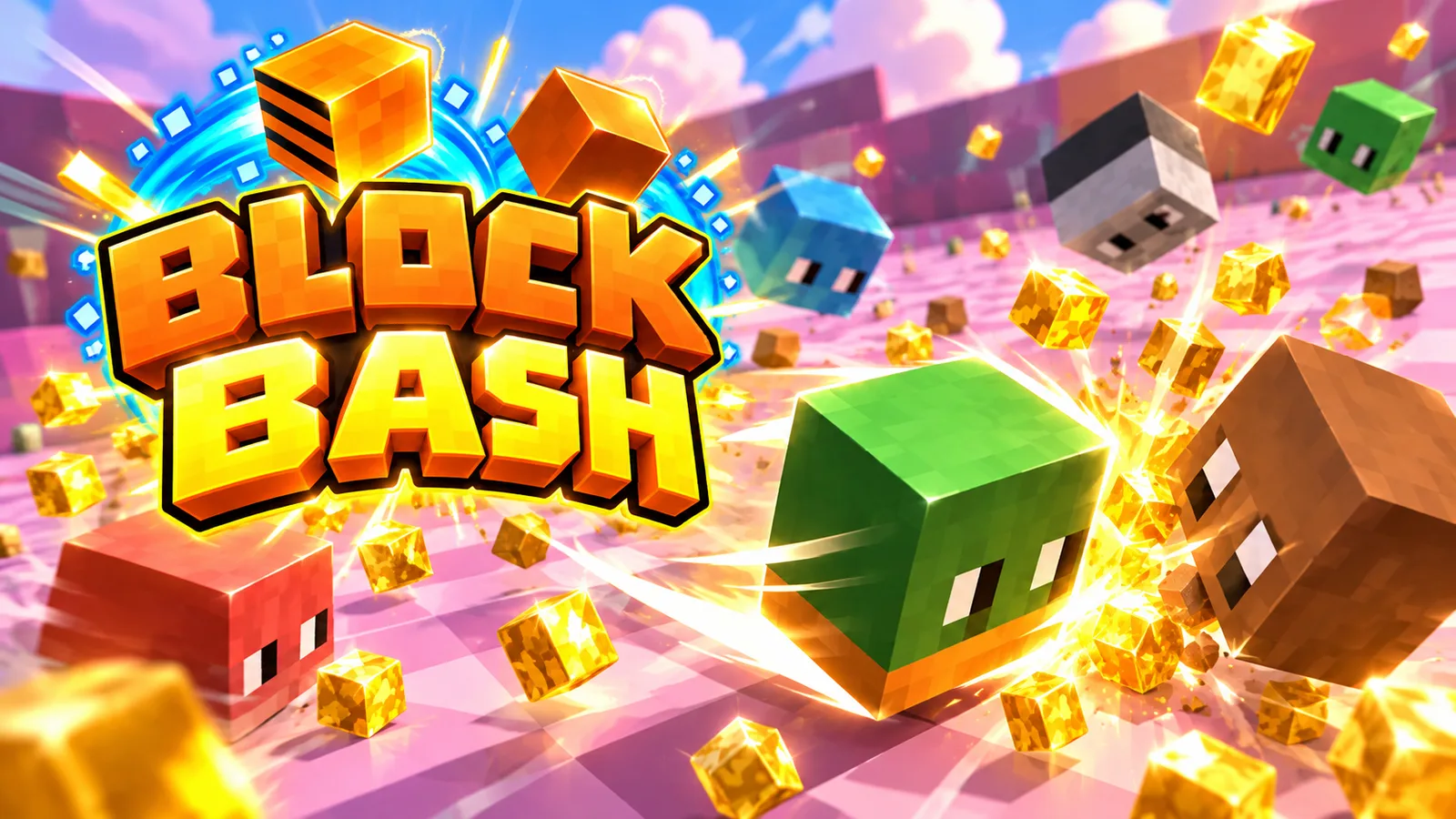
Eat gold, grow your block head and bash rivals in a wild voxel .io arena, and climb the leaderboard!
Related Posts
We Compared 20 Embeddable Games for Small Websites
We opened 20 games from PlayKovo's embed catalog in real Chrome, on desktop and with a phone profile, pressed play and recorded what loaded, what failed and how heavy each was. Here are the results, what the numbers do and do not tell you, and which games we would start with.
How to Handle Fullscreen Problems in Embedded Browser Games
Fullscreen fails for three reasons: the iframe lacks permission, the browser does not support it for that element, or the request was not a user action. We tested each in Chrome 155 and built a CSS fallback for browsers with no Fullscreen API.
Which HTML5 Game Genres Work Best for Touchscreen Websites?
Genres that ask for one tap, one drag or one swipe suit phones; genres built on joysticks and several buttons suit them less. We classified the declared mobile controls of all 73 mobile-ready games in PlayKovo's feed and show the pattern by genre, with the limits of that method.