
Daily Puzzle Games Beyond Word Games: Sudoku, Connections, and More
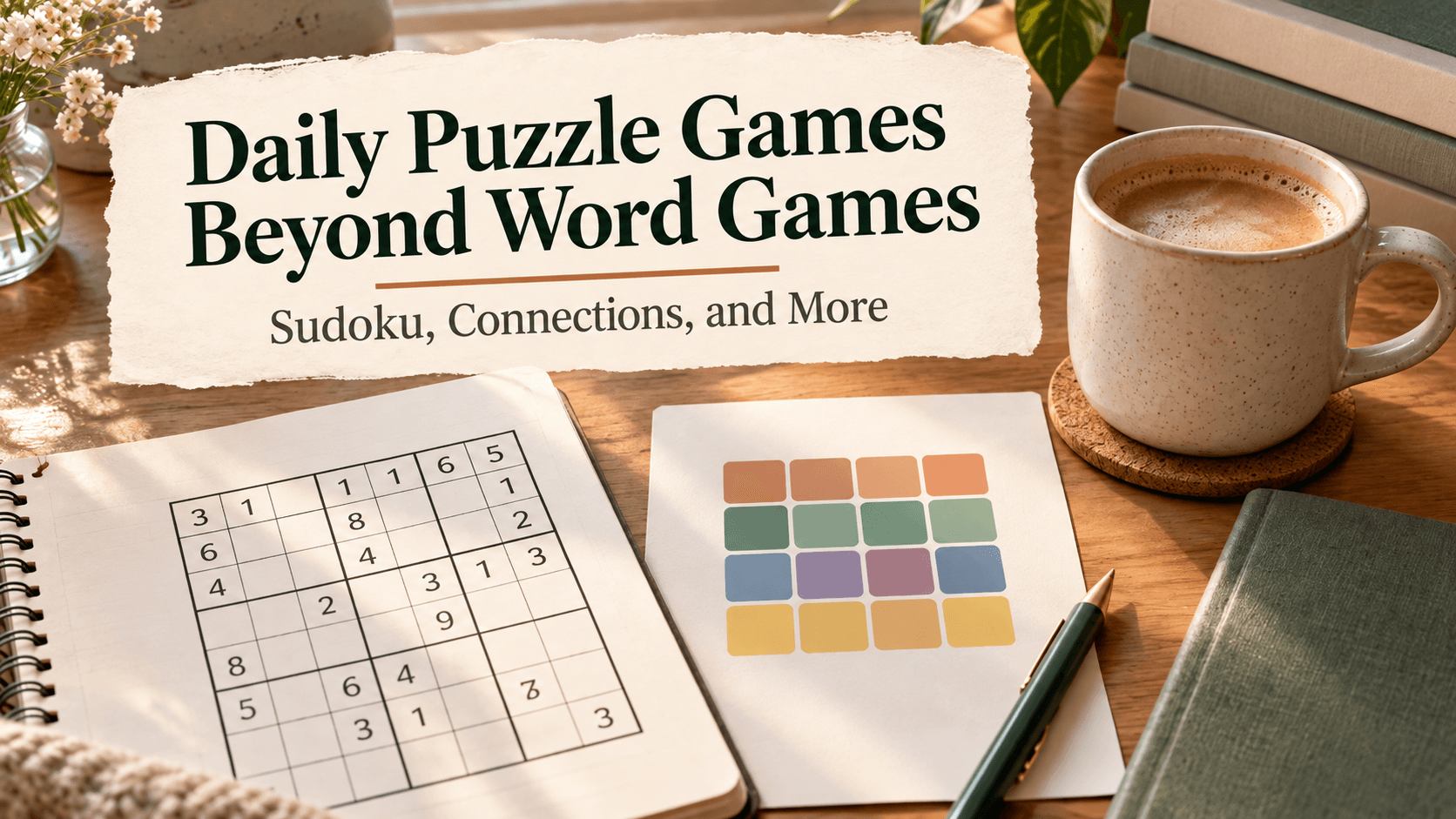
Wordle's success set off a wave of daily puzzle games, but the format existed before it and has branched well beyond word-guessing since. Here's the wider landscape.
Sudoku: Pure Logic, No Vocabulary Required
Sudoku predates the current daily-puzzle wave by decades and trains something entirely different from word games, numerical logic and constraint-solving, with zero language or vocabulary component. It's a genuinely separate skill set from anything word-based.
NYT Connections: Category and Pattern Thinking
Connections gives you sixteen words to sort into four hidden categories. It's still word-based, but it trains pattern recognition and categorization rather than vocabulary recall, a meaningfully different mental task than guessing a hidden word letter by letter.
Crossword: Broad Knowledge Recall
Crosswords lean on general knowledge and vocabulary breadth more than pure logic, clue-solving draws on trivia, wordplay, and recall across a wide range of topics rather than a single narrow mechanic.
Where Word-Guess Games Like Wordle Fit In
Compared to the formats above, Wordle-style guessing is narrower and more mechanical, one specific skill (letter-position elimination) repeated with different words. That narrowness is part of the appeal, it's quick to learn and consistent to play, but it means pairing it with a different format covers more mental ground than any single one alone.
Building a Daily Puzzle Routine Across Formats
A lot of frequent puzzle players don't stick to one format, they rotate: logic with Sudoku, categorization with Connections, vocabulary breadth with a crossword, and recall practice with a word-guess game. Lumira fits the last slot well specifically because it isn't capped at one puzzle a day, 750 levels per language means the word-guessing part of your routine doesn't run out after a couple of minutes.
FAQ
Is Sudoku a word game?
No, it's purely numerical logic with no vocabulary or language component at all.
What does NYT Connections actually train?
Categorization and pattern recognition, sorting words into hidden groups, rather than vocabulary recall specifically.
Is it better to stick to one daily puzzle format or rotate between several?
Rotating covers more mental ground, since each format trains a different specific skill, logic, categorization, broad recall, or narrow vocabulary elimination.
What's a good word-guess option that isn't limited to one puzzle a day?
Lumira, with 750 levels per language across 29 languages, supports daily play well beyond a single puzzle.
Final Thoughts
The daily-puzzle boom isn't just a word-game phenomenon, it spans several genuinely different mental exercises. If the word-guessing slot in your routine is the one that keeps running out, Lumira's level format is built to fix that specifically.
Featured app
Lumira


Related Posts
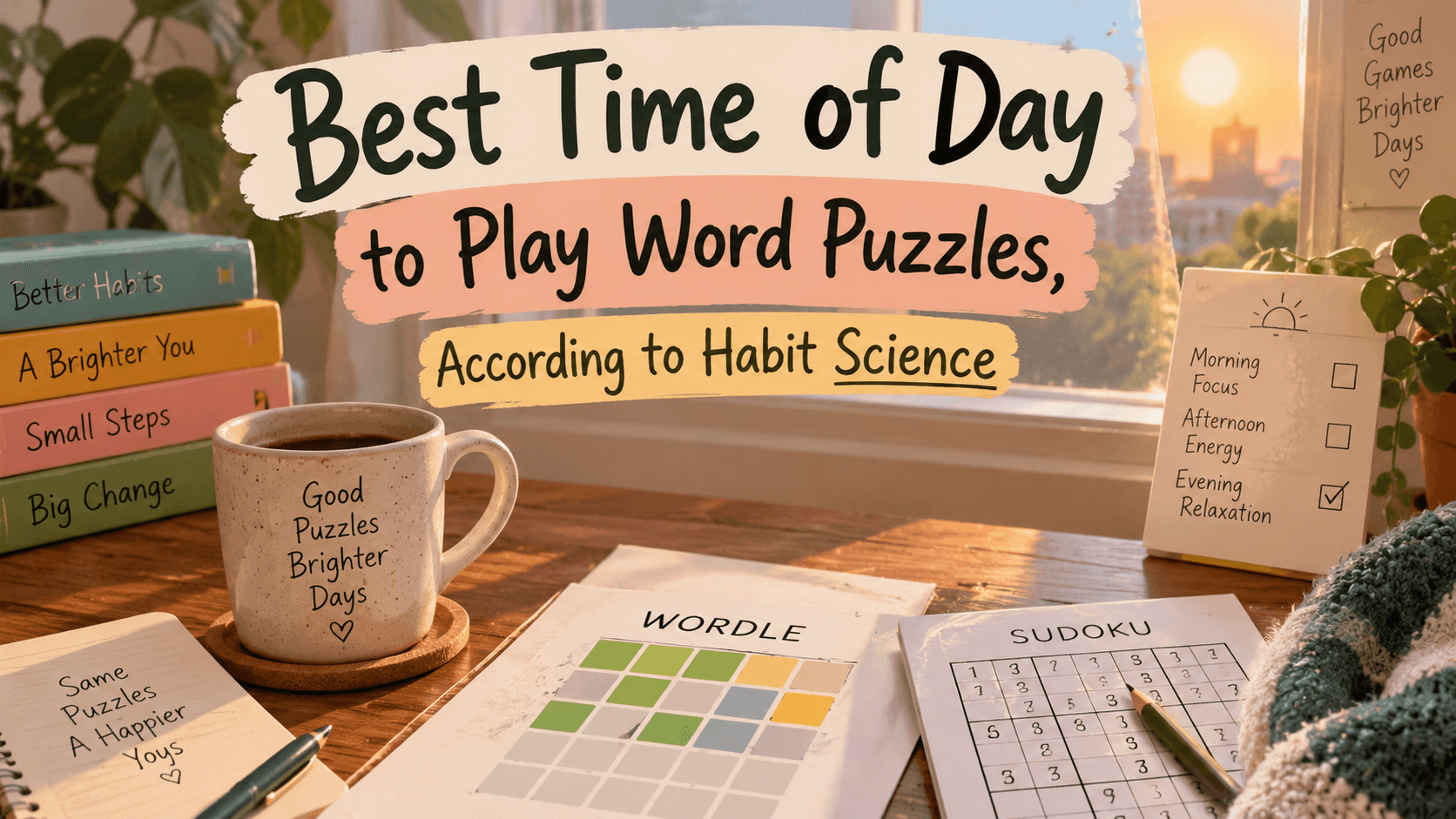
Best Time of Day to Play Word Puzzles, According to Habit Science
When you play matters almost as much as whether you play, at least if you're trying to build a real habit out of it. Here's what habit-formation research suggests about timing, and how to actually apply it.
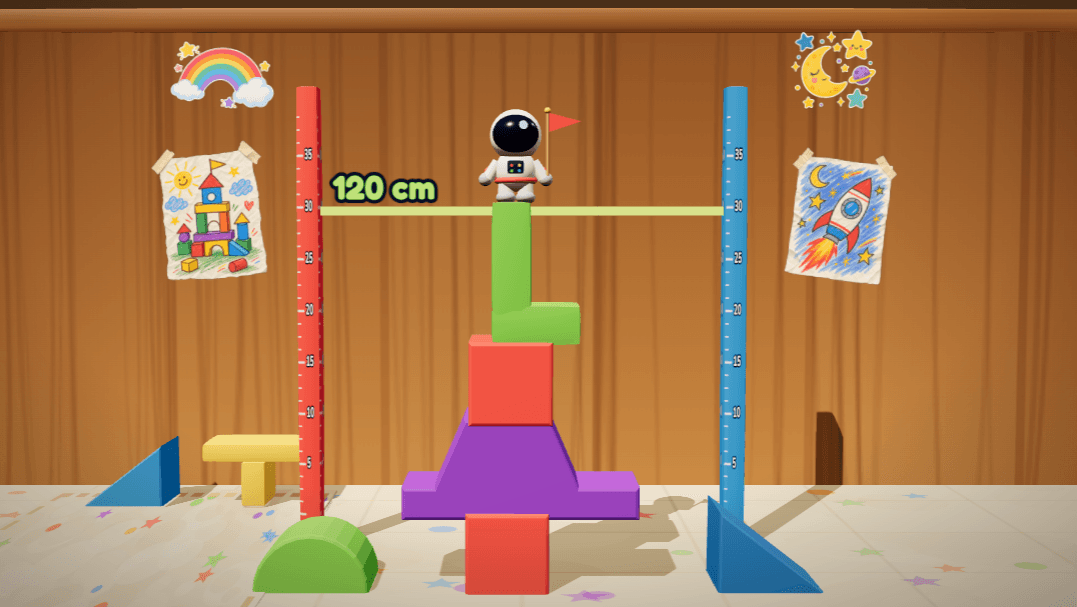
Toy Box Challenge: The Physics Stacking Puzzle Where the Weird Towers Are the Point
Toy Box Challenge is a physics-based stacking puzzle built around one simple rule: stack toy-shaped blocks high enough to get Astro above the target line, and keep it standing. Here's how it works, and how player feedback quietly redesigned the whole game.
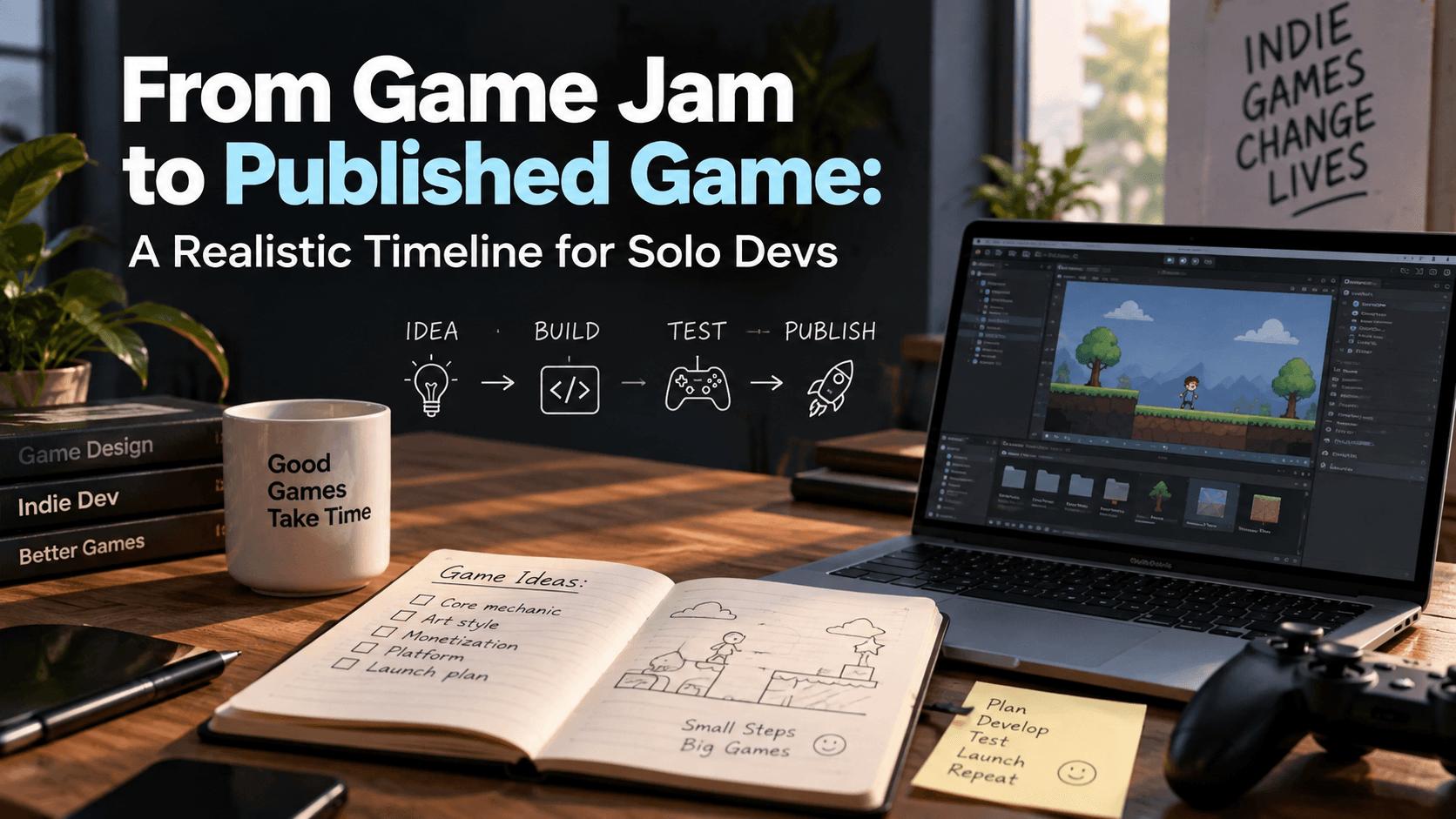
From Game Jam to Published Game: A Realistic Timeline for Solo Devs
A weekend game jam prototype and a genuinely published game are separated by more work than most solo developers expect going in. Here's a realistic breakdown of what that gap actually looks like.