
Best Word Games for Brain Training in 2026 (Ranked)

"Brain training" gets thrown around a lot in app store listings, but word games are one of the few genres where the label actually holds up. Guessing letters, recalling vocabulary, and spotting patterns under a bit of time pressure genuinely exercises working memory and verbal recall — which is a big part of why word games have stayed popular long after most "brain game" apps faded out.
This is a ranked, no-fluff look at the best word games for brain training in 2026 — what each one actually trains, and where it falls short.
Why Word Games Work as Brain Training
Most legitimate research on "brain training" is skeptical of games that promise to make you smarter in some general sense. Word games make a narrower, more defensible claim: they exercise specific skills you use every day.
- Vocabulary recall — pulling the right word out of memory under a constraint (letter count, starting letter, category).
- Pattern recognition — spotting likely letter combinations, common prefixes/suffixes, and word structure.
- Working memory — holding multiple guesses, clues, or constraints in your head at once.
- Processing speed — especially in timed or multiplayer formats, where you're recalling and typing under pressure.
The games below lean into different combinations of these, so "best" depends a little on which skill you actually want to train.
The Best Word Games for Brain Training in 2026
1. Lumira — Best for Depth, Language Variety, and Real Competition
Lumira is built for players who've outgrown a single daily puzzle. Instead of one language and one puzzle a day, it gives you 29 languages to choose from, each with its own set of 750 levels — so you can train recall in your native language, or deliberately train it in a language you're learning, without switching apps.
What makes Lumira genuinely useful for brain training specifically is that it doesn't stop at solo play:
- Online Duel Mode — race another player to solve the same word first, which adds real time pressure on top of the recall itself.
- Co-op Lobby Mode — solve puzzles together with a friend, which forces you to verbalize your reasoning instead of just guessing silently.
- Daily, weekly, and monthly leaderboards — a structured reason to keep training consistently instead of playing once and forgetting about it.
Consistency matters more than any single session for this kind of training, and Lumira's level structure and leaderboards are built to support daily play rather than a once-a-day habit that stalls out after a few weeks.
2. NYT Spelling Bee — Best for Pure Vocabulary Recall
Spelling Bee gives you seven letters and asks you to build as many valid words as possible, always using the center letter. It's one of the purest vocabulary-recall exercises in this list — no letter position to reason about, just "how many real words can you actually pull out of your memory from this letter set."
3. Wordscapes — Best for Casual, Low-Pressure Sessions
Wordscapes blends word search with anagram-style solving across thousands of levels, with a relaxed pace and no timer pushing you. It's a solid pick if you want the recall benefits of a word game without the time pressure that Wordle-style or duel-based games introduce.
4. Words With Friends 2 — Best for Strategic, Turn-Based Thinking
A Scrabble-style tile game played asynchronously against another person, Words With Friends 2 trains a different skill than most games on this list: planning several moves ahead, managing a limited set of tiles, and thinking about board position, not just word recall in isolation.
5. Word Cookies — Best for Short, Frequent Sessions
Word Cookies levels are short by design, which makes it easy to fit in several quick sessions across a day rather than one long one. If your goal is "a few minutes of recall practice, several times a day" rather than one sit-down session, the format fits that better than most.
6. WordBrain — Best for Spatial-Plus-Verbal Thinking
WordBrain adds a spatial layer on top of word recall — you're tracing paths through a letter grid, not just typing guesses. It's a good pick if you want to combine verbal recall with a bit of visual/spatial reasoning in the same session.
What Makes Lumira Stand Out for Training Specifically
Most of the games above are strong at one thing: pure recall, or turn-based strategy, or casual low-pressure practice. Lumira's actual advantage for brain training isn't any single mechanic — it's that the format supports daily, structured, competitive practice at scale: 750 levels per language means you won't run out of fresh material for months, the duel mode adds real time pressure, and the leaderboards give you a way to measure whether you're actually improving instead of just guessing.
If the goal is a genuine daily habit rather than a novelty you delete after a week, that combination matters more than any single puzzle mechanic.
How Often Should You Play for It to Actually Help?
There's no strict science on the "right" dose, but the general pattern that holds up across cognitive training research is short, consistent sessions beat long, occasional ones. A focused 10-15 minutes a day is a more realistic and more effective habit than an hour once a week — which is part of why level-based, multi-language games like Lumira, that give you a reason to come back daily, tend to outperform single-daily-puzzle formats for anyone treating this as actual training rather than a one-off timekiller.
FAQ
What is the best word game for brain training?
It depends on which skill you want to train. For overall depth, language variety, and daily consistency, Lumira is the strongest all-around pick. For pure vocabulary recall, NYT Spelling Bee is hard to beat.
Do word games actually improve memory?
They exercise specific skills — vocabulary recall, pattern recognition, and working memory — rather than boosting general intelligence. Playing consistently is more likely to keep those specific skills sharp than to produce broad cognitive gains.
Is there a word game for brain training in languages other than English?
Yes — Lumira supports 29 languages, each with a full 750-level set built for that language rather than a translated version of the English puzzles.
Are there word games with multiplayer for training with a friend?
Lumira's Online Duel Mode and Co-op Lobby Mode both support playing directly against or with another person, which adds a competitive or collaborative element most single-player word games don't have.
Is Lumira free to play?
Yes, Lumira is free to download and play on both Google Play and the App Store.
How many levels does Lumira have?
750 levels per language, across 29 languages — enough material that you're unlikely to run out even with daily play.
Do I need to play every day for it to count as brain training?
No single day matters much on its own, but consistency does — short, regular sessions are generally more effective than long, infrequent ones.
Final Thoughts
Word games are one of the few "brain training" categories that hold up to scrutiny, as long as you pick one that supports actual consistent practice rather than a single daily puzzle you finish in two minutes. If you want the most complete package — vocabulary depth across 29 languages, real competition through duel and co-op modes, and enough content to sustain a daily habit for months — Lumira is the strongest pick on this list.
Featured app
Lumira


Related Posts
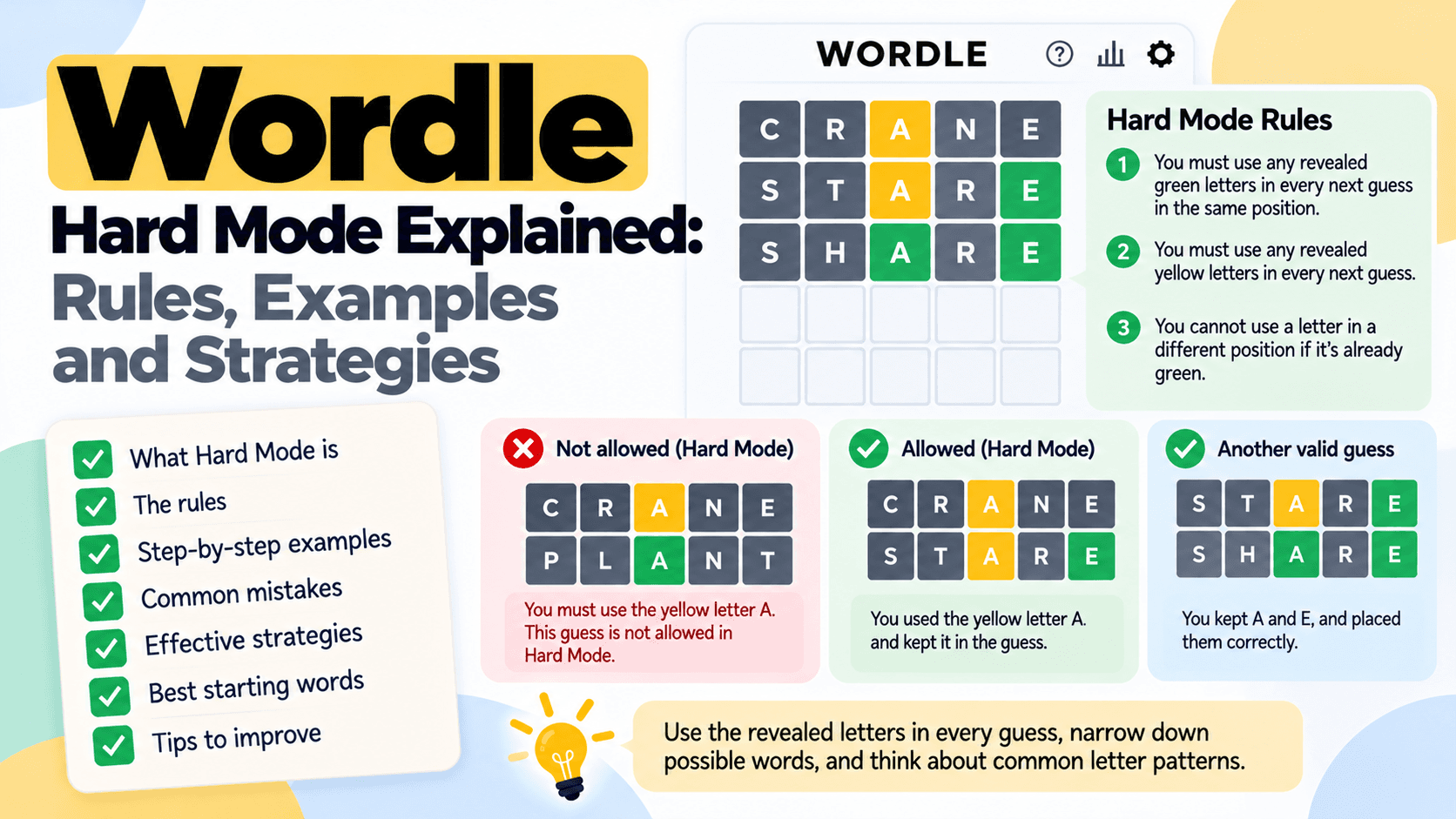
Wordle Hard Mode Explained: Rules, Examples and Strategies
Hard Mode requires you to use every revealed hint in later guesses, and nothing more. We tested exactly what it accepts and rejects in the live game, solved the same puzzle in both modes and give five strategies that follow from the real rules.
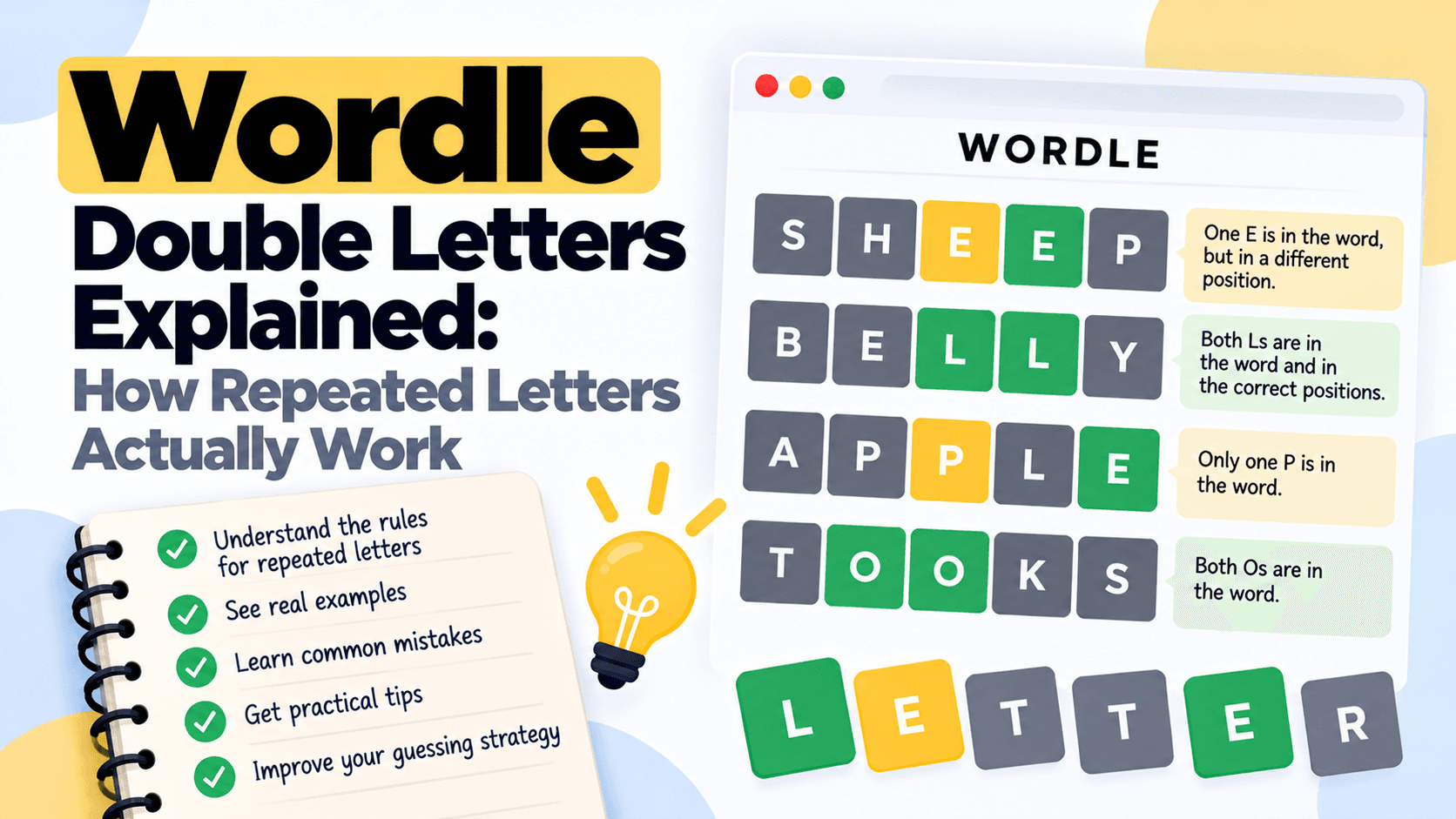
Wordle Double Letters Explained: How Repeated Letters Actually Work
When a letter appears twice in your guess, Wordle colors it by counting copies, not by asking "is it in the word?". Here is the exact rule, tested against the live game, with real boards, a color table and an interactive practice tool.
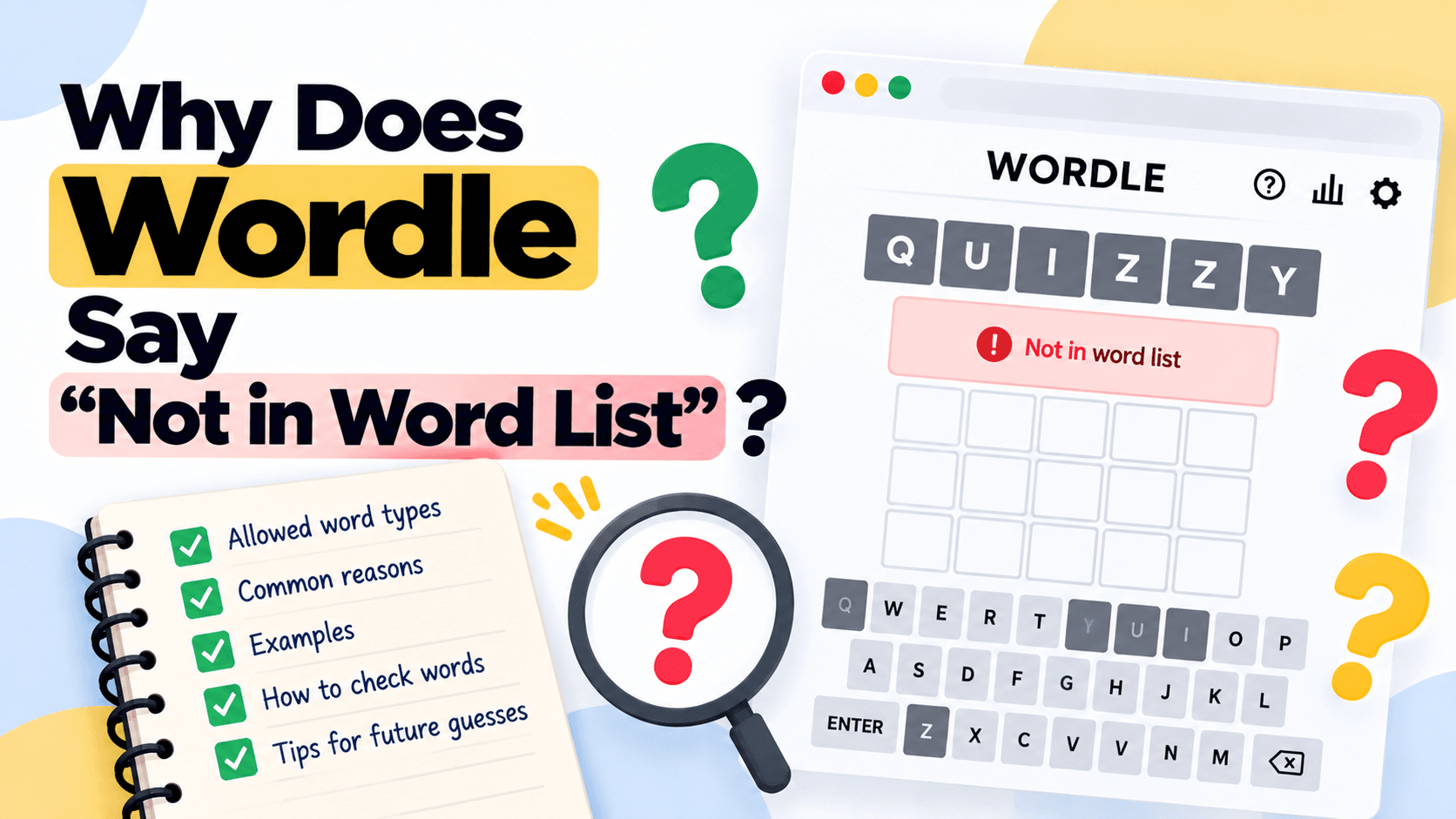
Why Does Wordle Say "Not in Word List"?
Wordle rejects any five-letter combination that is not in its list of accepted guesses, which is not the same as the dictionary. We typed 55 words into the live game, listed what it accepted and rejected, and give five fixes for the message.