
Best Time of Day to Play Word Puzzles, According to Habit Science
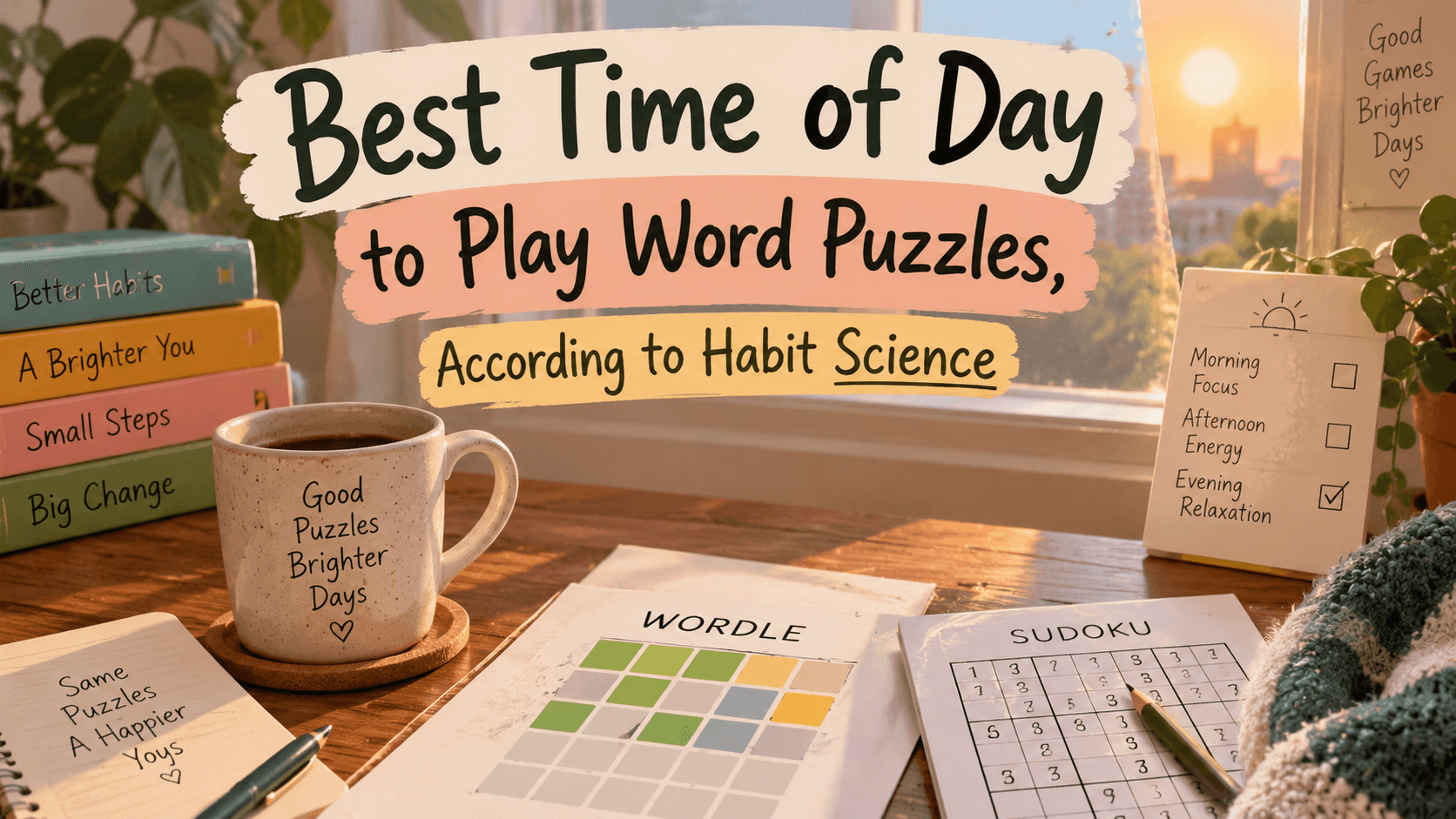
Plenty of players have a fixed time they play their daily word puzzle, morning coffee, lunch break, right before bed. That's not just personal preference, there's real habit-formation logic behind why a consistent time matters.
Why Timing Matters More Than People Expect
Habit research consistently points to a simple idea: habits stick better when they're anchored to an existing routine, a specific time or trigger, rather than left to "whenever you feel like it." A word puzzle played at a random point in the day competes with everything else for your attention. One anchored to an existing routine, like your morning coffee, gets a built-in reminder for free.
Morning vs Evening: What Each Tends to Favor
- Morning play tends to favor consistency, it's less likely to get crowded out by an unpredictable evening, and it front-loads a small win before the rest of your day.
- Evening play tends to favor a wind-down routine, some players prefer it specifically as a low-stakes way to disengage from the day before sleep.
Neither is objectively better, the actual research point is about anchoring to a fixed, existing routine, not about morning being superior to evening.
What Breaks a Good Habit Faster Than Bad Timing
Inconsistent access breaks a habit faster than picking the "wrong" time of day. If a puzzle is only available once a day at a fixed reset, and your schedule doesn't reliably line up with that window, the habit is fighting your calendar as much as your motivation.
Why Flexibility Helps More Than a Rigid Reset
A game that doesn't depend on a single daily reset window is easier to anchor to a routine that actually fits your life. Lumira's 750 levels per language are available whenever you open the app, which means the habit can anchor to your own schedule instead of working around someone else's daily reset time.
FAQ
Does the time of day you play a word puzzle actually matter?
Mostly through habit anchoring, playing at a consistent time tied to an existing routine tends to stick better than random timing.
Is morning or evening better for playing word puzzles?
Neither is objectively better, what matters more is consistency and anchoring to an existing routine you already have.
Why do fixed daily reset times sometimes work against building a habit?
If your schedule doesn't reliably line up with the reset window, you're fighting your calendar in addition to your motivation, which makes the habit harder to sustain.
Does a game without a fixed daily limit make habit-building easier?
It can, since you're free to anchor play to whatever time actually fits your routine, rather than working around a single daily reset.
Final Thoughts
The real lesson from habit research isn't about finding the "best" hour, it's about consistency anchored to something you already do daily. A flexible format like Lumira, available whenever you open the app rather than on a fixed reset, makes that anchoring easier to build around your own schedule.

Featured app
Lumira


Related Posts

Daily Puzzle Games Beyond Word Games: Sudoku, Connections, and More
Word games aren't the only daily puzzle format that took off. Here's a look at the wider daily-puzzle landscape, what each format actually trains, and where word-based games fit into it.
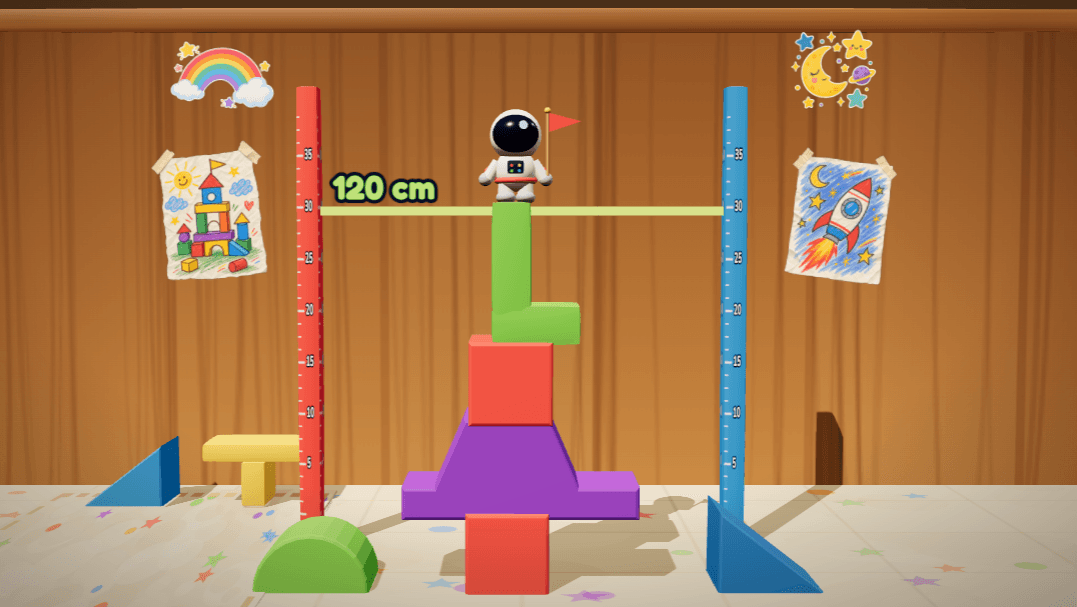
Toy Box Challenge: The Physics Stacking Puzzle Where the Weird Towers Are the Point
Toy Box Challenge is a physics-based stacking puzzle built around one simple rule: stack toy-shaped blocks high enough to get Astro above the target line, and keep it standing. Here's how it works, and how player feedback quietly redesigned the whole game.

From Game Jam to Published Game: A Realistic Timeline for Solo Devs
A weekend game jam prototype and a genuinely published game are separated by more work than most solo developers expect going in. Here's a realistic breakdown of what that gap actually looks like.