
Anagram Solvers: How They Work and When Using One Is Fair
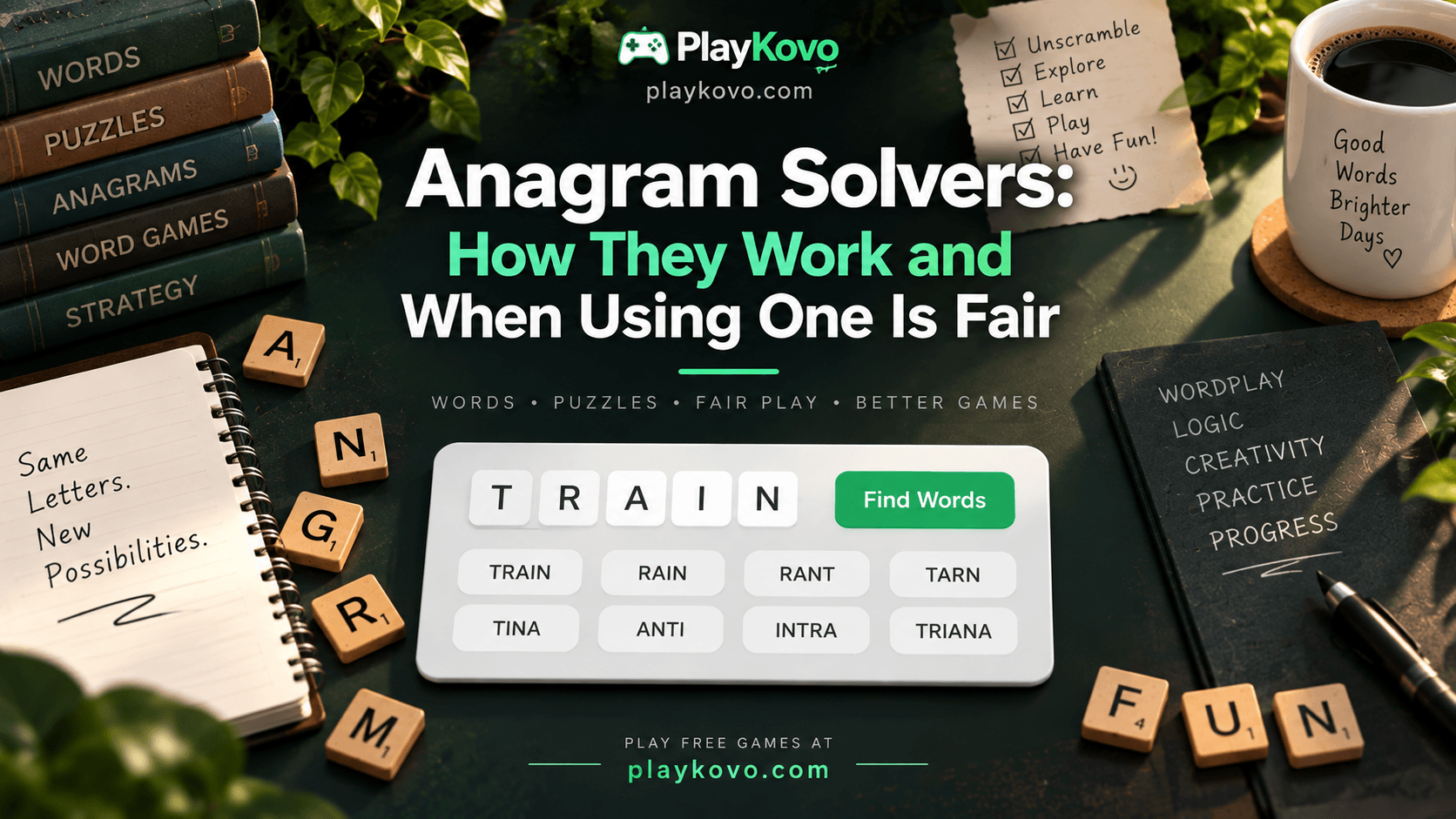
An anagram solver takes a jumble of letters and instantly returns every valid word that can be made from them. It's a genuinely useful tool, and also a bit of a shortcut, depending on what you're using it for.
How an Anagram Solver Actually Works
Most solvers work the same basic way: they take your letters, generate every possible combination or subset of them, and check each one against a dictionary word list, returning only the combinations that are real words. It's brute-force pattern matching, not anything more sophisticated, which is why it's instant even for long letter sets.
When Using One Is Genuinely Fair
- Checking whether a word you already thought of is valid, rather than generating your answer for you.
- Settling an argument about whether an obscure word is real.
- Playing casually with no interest in the challenge aspect, some people just want to relax with letters, not test themselves.
When It Undercuts the Point of the Puzzle
If the appeal of a word game for you is the mental exercise, vocabulary recall and pattern recognition, running every guess through a solver defeats that purpose entirely. You'll get through puzzles faster, but you won't be practicing anything.
A Middle Ground: Use It as a Last Resort, Not a First Move
Most frequent word-game players who use solvers at all treat them as a genuine last resort, only after real attempts have stalled out, rather than a starting point for every puzzle. That keeps the actual skill-building intact for most of your play.
If You Want More Practice Without Leaning on a Solver
Getting genuinely better at word puzzles comes down to repetition and pattern exposure, not shortcuts. Lumira gives you 750 levels per language to build that skill through actual practice, in any of 29 languages, rather than through a solver.
FAQ
Is using an anagram solver considered cheating?
There's no official ruling since most word puzzles are casual games, it's a personal choice depending on whether you're there for the challenge or just to relax.
How accurate are anagram solvers?
Generally very accurate for common words, though results depend on which dictionary the solver checks against, some include more obscure or regional words than others.
Does using a solver help you get better at word games long-term?
Not really, since it replaces the recall and pattern-recognition practice that actually builds the underlying skill.
What's a good way to practice word-solving skills without relying on tools?
Regular play with enough fresh content to keep practicing, Lumira's 750 levels per language is built for exactly that kind of repetition.
Final Thoughts
An anagram solver is a legitimate tool for checking a word or settling a debate, but leaning on it for every guess trades the actual challenge away. If you want to build real skill instead, Lumira gives you enough content to practice the old-fashioned way.

Featured app
Lumira


Related Posts
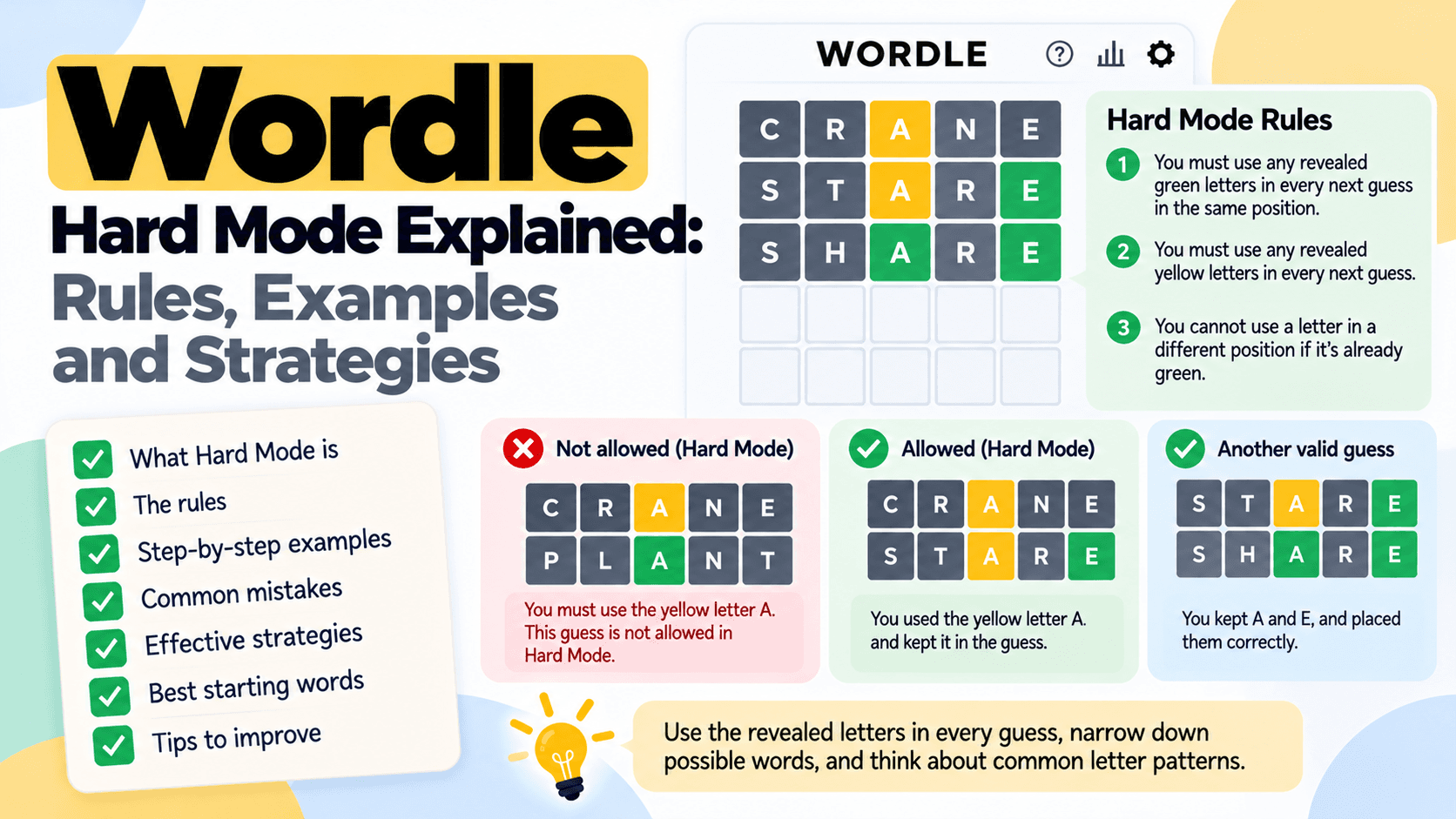
Wordle Hard Mode Explained: Rules, Examples and Strategies
Hard Mode requires you to use every revealed hint in later guesses, and nothing more. We tested exactly what it accepts and rejects in the live game, solved the same puzzle in both modes and give five strategies that follow from the real rules.
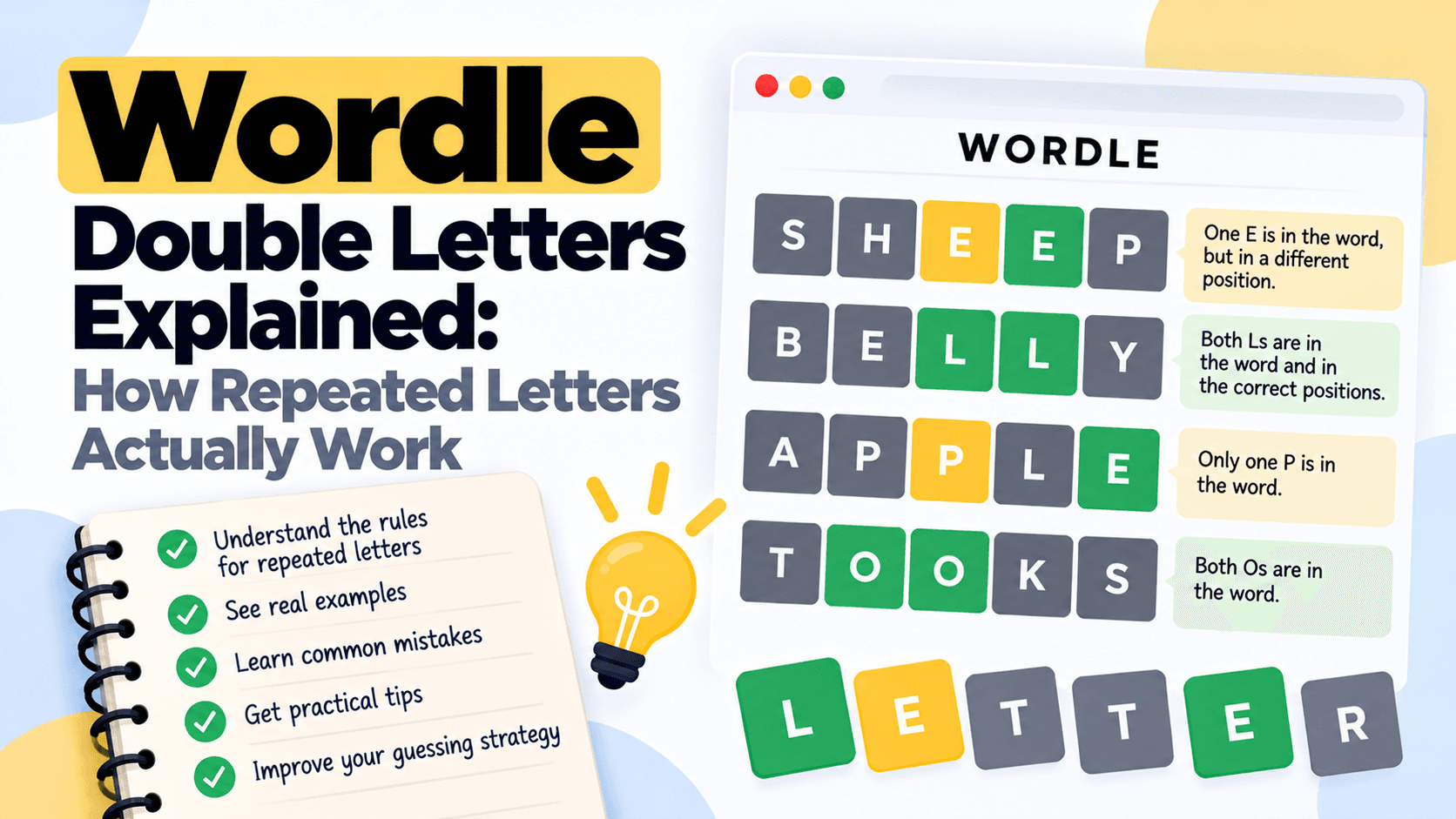
Wordle Double Letters Explained: How Repeated Letters Actually Work
When a letter appears twice in your guess, Wordle colors it by counting copies, not by asking "is it in the word?". Here is the exact rule, tested against the live game, with real boards, a color table and an interactive practice tool.
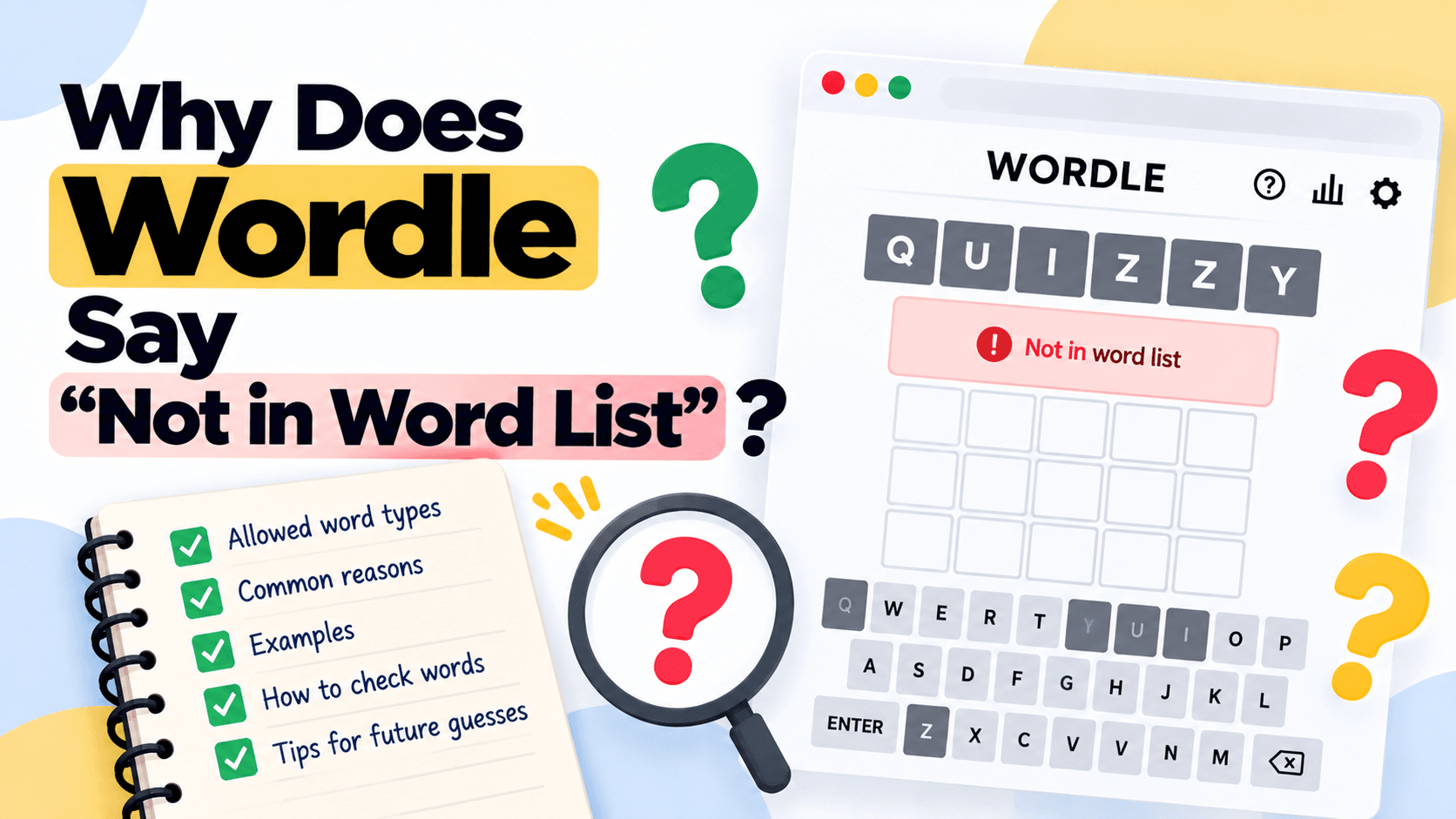
Why Does Wordle Say "Not in Word List"?
Wordle rejects any five-letter combination that is not in its list of accepted guesses, which is not the same as the dictionary. We typed 55 words into the live game, listed what it accepted and rejected, and give five fixes for the message.